
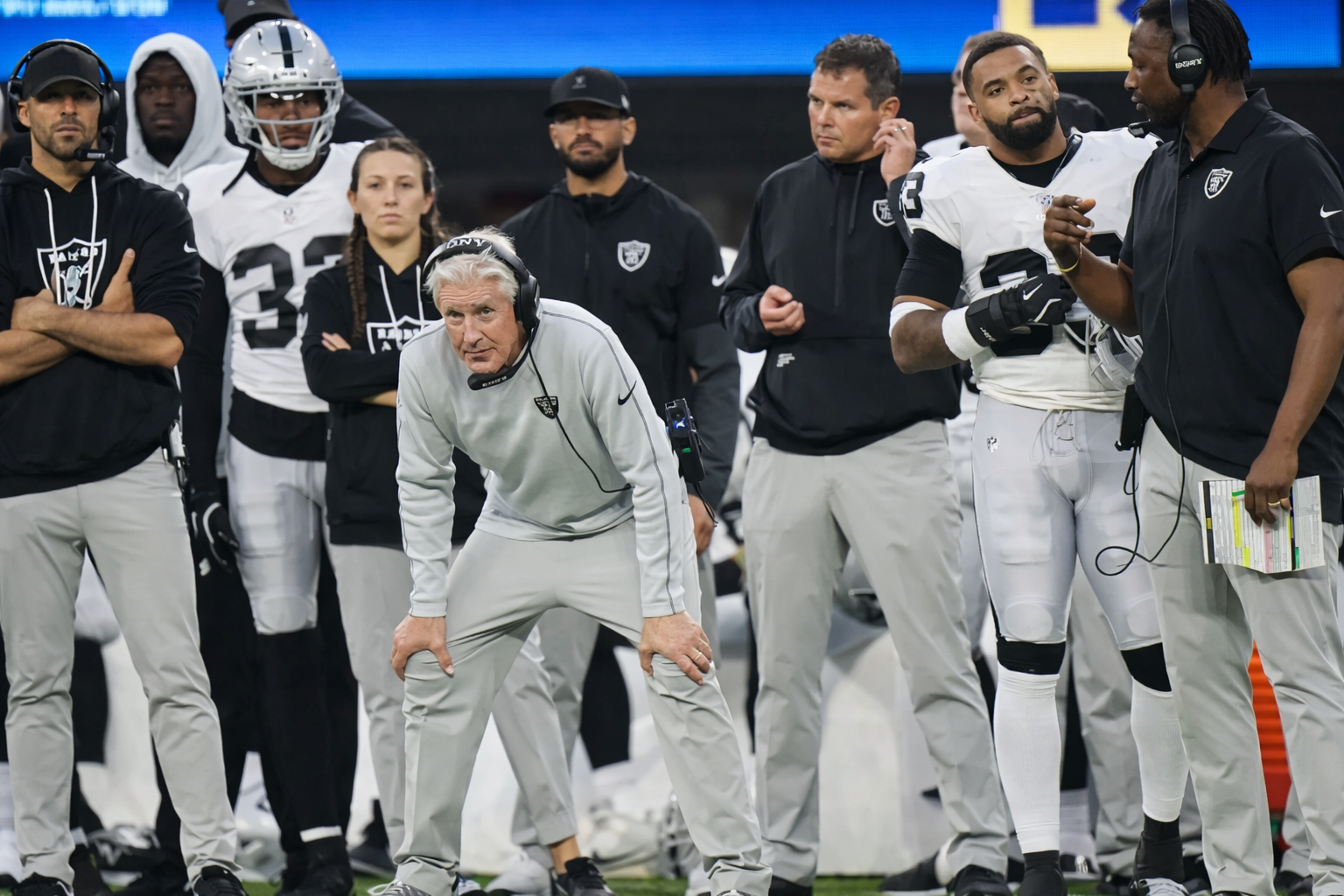
On December 8, 2024, football fans witnessed a notable NFL battle between the Las Vegas Raiders and the Tampa Bay Buccaneers at Raymond James Stadium in Tampa, Florida. The Buccaneers secured a 28‑13 victory, but the final score only tells part of the story. This article explores the player stats, key performances, and strategic dynamics that defined the game, offering insight into how both teams performed on offense, defense, and special teams.
How the Game Unfolded
From the opening whistle, Tampa Bay set an aggressive tone, quickly establishing momentum through explosive plays. The Buccaneers opened with an early scoring drive, forcing the Raiders to play catch-up. By the second quarter, the Buccaneers had already accumulated over 200 total yards, demonstrating efficiency in both passing and rushing. Las Vegas, however, managed to generate some life offensively, thanks to short bursts and a few well-executed third-down conversions. Despite controlling the clock slightly longer, the Raiders struggled to match Tampa Bay’s scoring efficiency.
Quarterback Play and Passing Production
For Tampa Bay, Baker Mayfield was the linchpin of the passing game. He completed 18 of 29 passes for 295 yards, throwing three touchdowns and two interceptions. Mayfield’s ability to stretch the field and find receivers in key moments kept the Raiders defense on its heels. One notable
Raiders Passing: O’Connell and Ridder Share Duties
Las Vegas relied on Aidan O’Connell to lead the passing attack, completing 11 of 19 passes for 104 yards before leaving the game due to injury. His accuracy and composure helped the Raiders maintain early competitiveness, but his exit limited offensive momentum. Desmond Ridder stepped in, adding 101 passing yards. Although Ridder provided stability, the Raiders’ passing game struggled to generate explosive plays, allowing Tampa Bay to maintain control.
Rushing Attack and Ground Game
The Buccaneers’ ground game featured Rachaad White as a standout contributor. White rushed for 90 yards, scoring both on the ground and through short passes. His agility and vision opened up running lanes while complementing the passing attack, providing Tampa Bay with a balanced offensive threat. White’s ability to convert opportunities into scoring plays reinforced the Buccaneers’ dominance in the ground game.
Raiders Rush Attack: Sincere McCormick’s Effort
For Las Vegas, Sincere McCormick carried the bulk of the rushing workload, gaining 78 yards on 15 carries. las vegas raiders vs tampa bay buccaneers match player stats
Though the output did not dramatically shift the game, his consistency kept drives alive and allowed the Raiders to mix play-action passes. McCormick’s performance exemplified reliability and grit, even as the Raiders struggled to break through Tampa Bay’s disciplined defensive front.
Receiving Leaders and Air Game Dynamics
In the receiving corps, Cade Otton led Tampa Bay with 70 receiving yards, including a pivotal 44-yard reception that set up a touchdown. Jalen McMillan also shined, securing two touchdown receptions while consistently finding space in the red zone. Both players contributed to Mayfield’s overall passing success, demonstrating precision route running and strong hands under pressure.
Las Vegas’s receiving group worked diligently to create opportunities but could not match Tampa Bay’s explosive production. While receivers accumulated moderate yardage, they struggled to reach the end zone, reflecting broader challenges in sustaining drives and converting key third downs.
Defensive Contributions and Turnover Impact
Tampa Bay’s defensive squad was instrumental in preserving the lead. They limited Las Vegas to just 286 total yards, preventing the Raiders from executing long, sustained drives. Key turnovers forced by the defense further shifted momentum, as the Buccaneers capitalized with scoring drives immediately afterward. Their ability to maintain discipline, especially in critical third-down situations, reinforced Tampa Bay’s control of the game.
The Raiders defense generated early pressure and forced turnovers, keeping the score within reach. Despite these efforts,
Tampa Bay’s offense responded efficiently, particularly through big passing plays and balanced rushing, neutralizing the Raiders’ defensive advantage. Las Vegas displayed grit and persistence, but the statistical output reflected the Buccaneers’ superiority in total yardage, scoring efficiency, and situational execution.
Penalties and Possession Dynamics
Both teams played relatively disciplined football in terms of penalties. Las Vegas committed three penalties for 31 yards, while Tampa Bay had five penalties for 31 yards. Although time of possession favored the Raiders slightly, Tampa Bay’s high efficiency in converting drives into points outweighed the Raiders’ advantage in holding the ball longer. This demonstrates that in the modern NFL, control of the clock is only impactful if paired with consistent scoring execution.
How This Game Reflects Each Team’s Season
The victory boosted Tampa Bay into a strong position in the NFC South, marking their third consecutive win and reflecting a team in form. The combination of Baker Mayfield’s precision passing, Rachaad White’s dynamic rushing, and a resilient defense creates a versatile team capable of sustaining performance against strong opponents. The Buccaneers’ total yardage exceeded 400 yards, with points spread across multiple contributors, highlighting their depth and tactical flexibility.
Raiders Struggles and Building Blocks
Las Vegas, navigating a challenging season, revealed both weaknesses and potential. Offensive transitions, quarterback injuries, and defensive gaps made consistency difficult. Players such as McCormick and Ridder provided glimpses of potential, demonstrating that while the Raiders are not yet able to consistently match playoff-caliber teams, they have foundational building blocks to grow from. Defensive turnovers showed promise, yet the inability to convert them into points limited the Raiders’ overall effectiveness.
Closing Reflections
The Las Vegas Raiders vs Tampa Bay Buccaneers game offered a compelling example of NFL competition at multiple levels. Tampa Bay’s offensive balance, defensive discipline, and opportunistic playmaking defined their victory. Las Vegas showed resilience and effort but lacked the margin in key statistical areas, including total yardage, red-zone efficiency, and scoring plays.
For fans following player stats, this game highlighted emerging talents, established stars, and strategic approaches shaping the season. Baker Mayfield’s ability to stretch the field, Rachaad White’s versatile scoring, and McCormick’s dependable rushing all tell a story beyond the box score. Football, after all, is both a numbers game and a human story of strategy, skill, and execution.
Games like this offer more than a final score—they reveal trends, player development, and tactical choices that influence the trajectory of both teams’ seasons. For Tampa Bay, the game reinforced momentum and playoff viability. For Las Vegas, it highlighted challenges but also promising avenues for growth. Every yard, pass, and touchdown contributed to the evolving narratives of these NFL squads, making this matchup a memorable one for fans and analysts alike.