
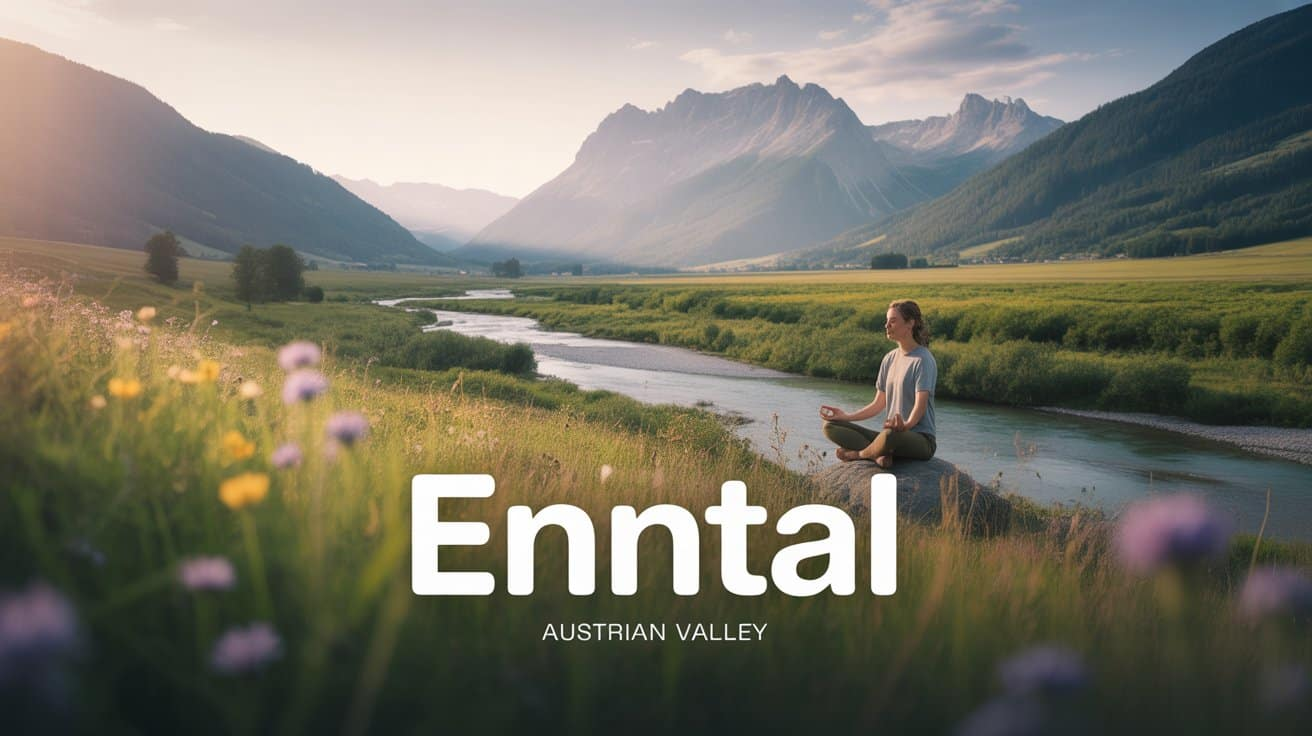
Nestled in the heart of Austria, Enntal is a region where natural beauty, history, and contemporary life blend seamlessly. Known as the valley of the Enns River, Enntal stretches across parts of Upper Austria and Styria, offering landscapes that range from gentle riverbanks to dramatic alpine peaks. For centuries, this valley has shaped the lives, traditions, and livelihoods of the people who call it home.
Enntal is more than a geographic location. It is a living cultural corridor that reflects Austria’s relationship with nature, craftsmanship, and community. Whether experienced through travel, study, or local life, the Enns Valley offers insights into how tradition and modern development can coexist in harmony.
This article explores Enntal from multiple perspectives, including its geography, history, culture, economy, tourism, and environmental significance. Together, these elements reveal why Enntal holds a special place within Austria’s regional identity.
The Geography of Enntal
Enntal takes its name from the Enns River, one of Austria’s longest rivers. The river originates in the Radstädter Tauern mountains and flows eastward before joining the Danube. Along its course, it forms a valley that has long served as a natural route for settlement, trade, and communication.
The valley is framed by impressive mountain ranges, including the Northern Limestone Alps and the Niedere Tauern. These landscapes create a striking contrast between fertile lowlands and rugged highlands. Forests, meadows, and alpine pastures dominate the scenery, making Enntal a region of remarkable ecological diversity.
Its geographic position also influences the climate. Enntal experiences clear seasonal changes, with snowy winters and mild to warm summers. This variation supports agriculture, tourism, and outdoor activities throughout the year.
A Brief History of the Enns Valley
Human settlement in Enntal dates back thousands of years. Archaeological findings suggest that the valley was inhabited during prehistoric times, largely due to its access to water, fertile land, and natural protection.
During the Roman era, the Enns River marked an important boundary within the Roman Empire. The city of Lauriacum, near modern-day Enns, became a significant military and administrative center. Remnants of Roman roads, buildings, and artifacts still provide evidence of this period.
In the Middle Ages, Enntal developed as a key transit route through the Alps. Castles, monasteries, and market towns emerged along the river, serving travelers and traders. Over time, the valley became an integral part of regional governance and economic activity.
The industrial age brought further change. Mining, metalworking, and later hydroelectric power transformed parts of Enntal, while many communities retained their rural character. This balance between progress and preservation remains a defining feature of the region today.
Cultural Identity and Traditions
Culture in Enntal is deeply rooted in local traditions that have been passed down through generations. Folk music, traditional dress, and seasonal festivals continue to play an important role in community life.
Events such as harvest celebrations, alpine cattle drives, and Christmas markets bring residents together and attract visitors from beyond the region. These gatherings reflect a strong sense of belonging and respect for heritage.
Local craftsmanship is another cornerstone of Enntal’s cultural identity. Woodworking, metal crafts, and textile production have long histories here. Many artisans combine traditional techniques with modern design, ensuring that these skills remain relevant in today’s world.
Language and dialect also contribute to the valley’s unique character. While standard German is widely spoken, regional dialects express local identity and social connection.
Enntal and the Natural Environment
Nature is central to life in Enntal. The valley’s ecosystems support a wide range of plant and animal species, many of which are protected through conservation initiatives.
National parks and protected areas, such as Gesäuse National Park, showcase the wild beauty of the region. Steep cliffs, fast-flowing rivers, and untouched forests make these areas valuable for biodiversity and research.
Sustainability is an increasing priority in Enntal. Communities emphasize responsible land use, renewable energy, and environmental education. Hydropower from the Enns River contributes significantly to regional energy needs while prompting ongoing discussions about ecological balance.
These efforts highlight Enntal’s commitment to preserving its natural resources for future generations.
Economic Life in Enntal
The economy of Enntal is diverse and adaptable. Agriculture remains a foundational activity, particularly dairy farming, forestry, and crop cultivation. Many farms operate on a small or medium scale, focusing on quality and sustainability.
Industry also plays a role, especially in manufacturing and energy production. Towns within the valley host companies that specialize in metal processing, machinery, and innovative technologies. These industries provide employment while supporting regional development.
Tourism is another major economic driver. Visitors are drawn to Enntal’s landscapes, outdoor recreation, and cultural experiences. This sector supports hotels, restaurants, guides, and local producers, creating a network of interconnected businesses.
Together, these economic activities form a resilient structure that allows Enntal to adapt to changing conditions while maintaining its character.
Tourism and Outdoor Activities
Enntal is a destination for travelers seeking both adventure and relaxation. The region offers a wide range of outdoor activities that change with the seasons.
In summer, hiking and cycling routes wind through valleys and up into the mountains. Trails vary from gentle walks along the river to challenging alpine climbs. Water sports such as rafting and kayaking are popular on sections of the Enns River.
Winter transforms the landscape into a haven for snow sports. Skiing, snowboarding, cross-country skiing, and snowshoeing attract visitors from across Austria and neighboring countries.
Beyond physical activities, Enntal appeals to those interested in cultural tourism. Historic towns, museums, and architectural landmarks provide insight into the region’s past and present.
Education and Community Life
Education plays a vital role in sustaining Enntal’s communities. Schools emphasize both academic learning and practical skills, often incorporating environmental awareness and regional history into their programs.
Vocational training and apprenticeships are particularly important, reflecting the region’s strong connection to craftsmanship and industry. These opportunities help young people build careers while staying connected to their home region.
Community life in Enntal is shaped by volunteerism and local organizations. Fire brigades, cultural associations, and sports clubs foster cooperation and social engagement. This strong community fabric contributes to a high quality of life.
Modern Challenges and Opportunities
Like many rural regions, Enntal faces challenges related to demographic change, economic transition, and environmental pressures. Younger generations may move to urban centers for education or work, leading to concerns about population decline.
At the same time, Enntal has opportunities to innovate. Digital infrastructure, remote work, and sustainable tourism offer new paths for growth. Many communities actively seek ways to attract residents and visitors while preserving local identity.
Balancing development with conservation remains an ongoing conversation. Thoughtful planning and community involvement are essential to ensuring that progress benefits both people and nature.
Enntal in a Broader European Context
Enntal’s location within Austria places it at the crossroads of European history and culture. The valley has long connected regions north and south of the Alps, facilitating exchange and interaction.
Today, Enntal participates in cross-border initiatives related to environmental protection, cultural heritage, and economic cooperation. These partnerships strengthen the region’s role within Europe while respecting its local roots.
Such connections highlight how even a relatively small region can contribute to broader conversations about sustainability and regional development.
The Future of Enntal
Looking ahead, Enntal stands at a point of continuity and change. Its strength lies in the ability to honor tradition while embracing innovation. Investments in education, renewable energy, and sustainable tourism reflect a forward-looking mindset.
Community engagement will remain essential. When residents actively shape decisions, the region benefits from shared responsibility and vision.
The Enns Valley’s story continues to evolve, shaped by the river that gave it life and the people who carry its heritage forward.
Conclusion
Enntal is a region defined by balance. Between mountains and valleys, tradition and modernity, nature and human activity, it offers a compelling example of sustainable regional life. Its landscapes inspire, its history informs, and its communities endure.
Whether viewed as a travel destination, a cultural landscape, or a living home for generations, Enntal represents the enduring connection between people and place. As the valley looks to the future, it does so with a deep respect for its past and a thoughtful approach to what lies ahead.