
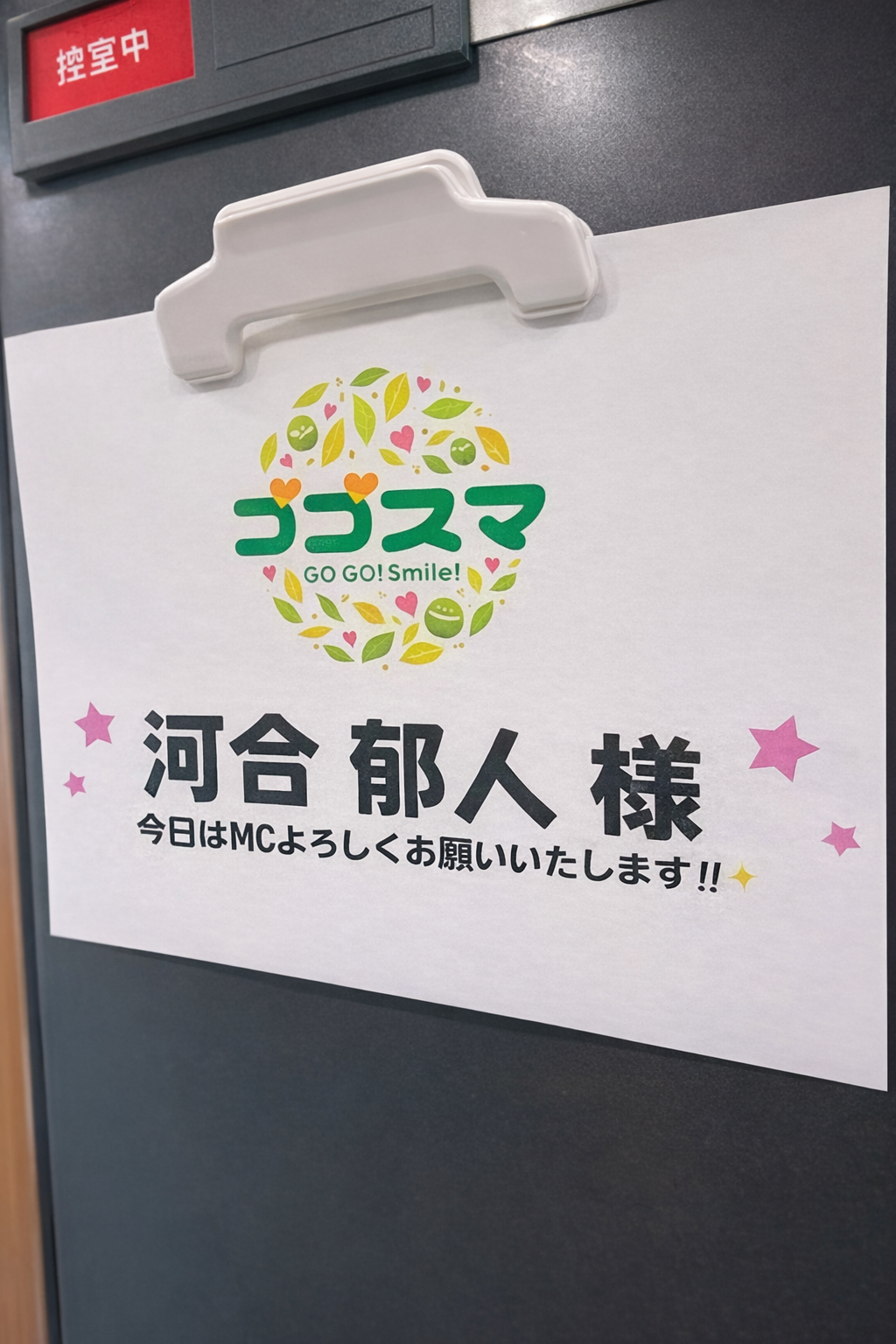
Gogosuma In the evolving world of Japanese television, few programs have managed to reshape daytime broadcasting as successfully as Gogosuma. Blending news, lifestyle discussions, entertainment commentary, and real-time audience engagement, the show has grown from a regional experiment into a nationally recognized media phenomenon. Its steady rise reflects changing viewer habits, technological innovation, and a growing demand for approachable yet informative programming during daytime hours.
This article explores the origins, format, cultural impact, production style, and future potential of Gogosuma while examining why it continues to attract loyal audiences across Japan and beyond.
The Meaning Behind Gogosuma
The name “Gogosuma” comes from the Japanese phrase “Gogo Sumairu,” meaning “afternoon smile.” The title itself communicates the program’s core philosophy: delivering information in a warm, accessible way that fits comfortably into viewers’ daily routines.
Unlike traditional news broadcasts that maintain a strictly formal tone, Gogosuma aims to create a relaxed environment where audiences feel informed without feeling overwhelmed. This balance between seriousness and comfort has become the show’s defining characteristic.
Daytime television often struggles to maintain attention spans, yet Gogosuma succeeds by presenting news through conversation rather than lecture. Viewers are invited into discussions rather than positioned as passive observers.
Origins and Early Development
Gogosuma first emerged as a regional program produced by CBC Television, a station known for experimenting with innovative formats. Initially, the show targeted local audiences with a simple goal: provide afternoon entertainment that combined useful information with personality-driven storytelling.
At the time, Japan’s afternoon TV landscape was dominated by predictable formats. Programs typically separated hard news from entertainment content. Gogosuma challenged this structure by merging both elements into a single flowing broadcast.
What began as a modest regional show gradually gained attention due to its conversational style and relatable hosts. Positive audience feedback encouraged expansion, and eventually the program entered wider national syndication, dramatically increasing its reach.
The Unique Format That Changed Daytime TV
One of Gogosuma’s greatest strengths lies in its hybrid format. Rather than following rigid segments, the show flows naturally between topics, mirroring everyday conversations.
1. News Explained Simply
Major news stories are presented with clarity and context. Experts join discussions to explain complex topics such as:
-
Weather events and natural disasters
-
Economic developments
-
Social trends
-
Public policy changes
Instead of overwhelming viewers with technical language, presenters translate information into practical insights that affect daily life.
2. Lifestyle and Culture Segments
Gogosuma regularly features content focused on:
-
Food and cooking trends
-
Travel recommendations
-
Health and wellness tips
-
Seasonal activities in Japan
These segments help maintain a light atmosphere while still providing value.
3. Live Commentary and Panel Discussions
A rotating panel of commentators adds personality and diverse perspectives. Their conversations often feel spontaneous, which strengthens viewer connection.
This conversational style is central to Gogosuma’s identity. Audiences feel like they are part of a shared living room discussion rather than watching scripted television.
Audience Appeal and Demographics
Daytime television traditionally attracts stay-at-home viewers, retirees, and part-time workers. Gogosuma expanded this demographic by appealing to a broader audience, including remote workers and younger viewers who stream clips online.
Several factors explain its wide appeal:
-
Clear explanations of current events
-
Friendly presentation style
-
Balanced emotional tone
-
Consistent daily scheduling
The show fits naturally into lunchtime and early afternoon routines, making it a reliable companion for viewers seeking both information and relaxation.
The Role of Weather Coverage
Weather reporting has become one of Gogosuma’s signature elements. Japan experiences frequent seasonal changes, typhoons, and earthquakes, making accurate weather information essential.
Gogosuma transformed weather segments from brief updates into detailed storytelling experiences. Meteorologists explain not only forecasts but also the science behind weather patterns.
This educational approach increases trust and encourages viewers to rely on the program during emergencies or severe weather events.
Production Style and Presentation
The visual style of Gogosuma plays a key role in its success. The studio design emphasizes brightness and openness, reinforcing the show’s welcoming tone.
Key Production Features
-
Soft color palettes that reduce visual stress
-
Multiple camera angles to simulate natural conversation
-
Real-time graphics for data visualization
-
Interactive displays for explanations
Producers intentionally avoid overly dramatic news aesthetics. The goal is clarity rather than intensity.
Human Connection as a Core Strategy
Modern audiences increasingly value authenticity. Gogosuma embraces this by allowing hosts and commentators to express genuine reactions.
Moments of humor, surprise, or empathy are not edited out. Instead, they become highlights that humanize the broadcast.
This authenticity helps establish emotional trust, which is crucial in an era where viewers can easily switch platforms.
Digital Expansion and Social Media Presence
Like many successful TV programs, Gogosuma adapted to digital transformation. Clips circulate widely on social platforms, reaching audiences who may never watch live television.
Online strategies include:
-
Short highlight videos
-
Breaking news updates
-
Interactive audience polls
-
Behind-the-scenes content
Digital distribution allows the show to remain relevant among younger audiences accustomed to mobile viewing.
Cultural Impact in Japan
Gogosuma has influenced how Japanese media approaches daytime programming. Its success encouraged other broadcasters to experiment with hybrid formats combining news and lifestyle content.
The show also reflects broader cultural values:
-
Community awareness
-
Respectful discussion
-
Practical information sharing
-
Emotional balance in media consumption
Rather than amplifying sensationalism, Gogosuma prioritizes understanding and calm communication.
Journalism Meets Entertainment
A defining feature of Gogosuma is its ability to merge journalism with entertainment responsibly.
Traditional news programs often emphasize urgency and seriousness. Entertainment shows focus on humor and celebrity culture. Gogosuma exists between these worlds.
This blend achieves several goals:
-
Keeps viewers informed without fatigue
-
Makes difficult topics approachable
-
Encourages ongoing engagement
The result is a format sometimes described as “infotainment with integrity.”
Trust and Credibility
Audience trust is essential for long-running television success. Gogosuma builds credibility through:
-
Expert guest appearances
-
Fact-based reporting
-
Transparent corrections when necessary
-
Consistent presenter relationships
Viewers develop familiarity with recurring personalities, strengthening loyalty over time.
Trust transforms casual viewers into daily watchers.
Comparison With Traditional News Programs
To understand Gogosuma’s uniqueness, it helps to compare it with conventional news broadcasts.
| Traditional News | Gogosuma Approach |
|---|---|
| Formal presentation | Conversational tone |
| Strict topic separation | Blended segments |
| Limited audience interaction | Viewer-centered discussions |
| Fast-paced reporting | Context-focused explanations |
This shift reflects changing viewer expectations in the digital age.
The Psychology of Afternoon Viewing
Afternoon audiences often seek comfort rather than intensity. Gogosuma’s pacing aligns with human energy patterns during midday hours.
Research in media psychology suggests that viewers prefer:
-
Moderate emotional stimulation
-
Clear information delivery
-
Familiar voices and faces
Gogosuma intentionally structures its content around these psychological preferences.
Economic Success and Advertising Appeal
From a business perspective, Gogosuma attracts advertisers seeking a stable, engaged audience.
Brands benefit from:
-
Consistent viewership
-
Positive emotional association
-
Family-friendly content environment
Because viewers watch for extended periods, advertising messages receive higher retention compared to fragmented online media consumption.
Challenges in Modern Broadcasting
Despite its success, Gogosuma faces several challenges:
-
Streaming competition
-
Changing viewer habits
-
Declining traditional TV audiences
-
Rapid news cycles driven by social media
To remain competitive, the show must continue evolving while preserving its identity.
Adaptation and Innovation
Gogosuma demonstrates adaptability through gradual innovation rather than sudden change.
Recent developments include:
-
Enhanced data visualization tools
-
Increased remote interviews
-
Faster response to breaking news
-
Cross-platform content integration
These updates help maintain relevance without alienating loyal viewers.
Why Gogosuma Works: Key Success Factors
Several core principles explain the program’s longevity:
Accessibility
Information is presented clearly, avoiding unnecessary complexity.
Personality
Hosts and commentators feel relatable rather than distant.
Balance
Serious topics coexist with lighter moments.
Consistency
Reliable scheduling builds daily habits.
Trust
Accurate reporting reinforces credibility.
Together, these factors create a viewing experience that feels both useful and comforting.
Influence on Global Daytime Media
Although primarily a Japanese program, Gogosuma reflects broader global trends in broadcasting. Many international shows now adopt similar approaches:
-
Conversational news delivery
-
Lifestyle integration
-
Audience participation
The success of hybrid formats suggests that future television will continue blending information and entertainment.
The Future of Gogosuma
Looking ahead, Gogosuma’s future likely involves deeper digital integration and expanded audience interaction.
Potential developments include:
-
Interactive live streaming features
-
Personalized content recommendations
-
AI-assisted visual explanations
-
International audience outreach through subtitles and online platforms
As media consumption evolves, adaptability will determine longevity.
Lessons for Content Creators
Gogosuma offers valuable insights for journalists, broadcasters, and digital creators:
-
Speak to audiences, not at them.
-
Simplify complex information responsibly.
-
Maintain authenticity over perfection.
-
Build emotional connection alongside expertise.
-
Evolve gradually while respecting audience expectations.
These principles apply across television, YouTube, podcasts, and social media platforms.
Conclusion: More Than Just an Afternoon Show
Gogosuma is more than a daytime television program. It represents a shift in how information can be delivered with empathy, clarity, and humanity.
By combining journalism, lifestyle content, and genuine conversation, the show has created a format that resonates with modern audiences seeking both knowledge and comfort. Its steady growth proves that viewers value trust, warmth, and thoughtful storytelling as much as breaking news.
As media continues to transform, Gogosuma stands as an example of how traditional television can remain relevant by embracing change while staying true to its purpose: bringing an afternoon smile while keeping audiences informed.
In a fast-moving digital world, that balance may be the key to the future of broadcasting itself.