
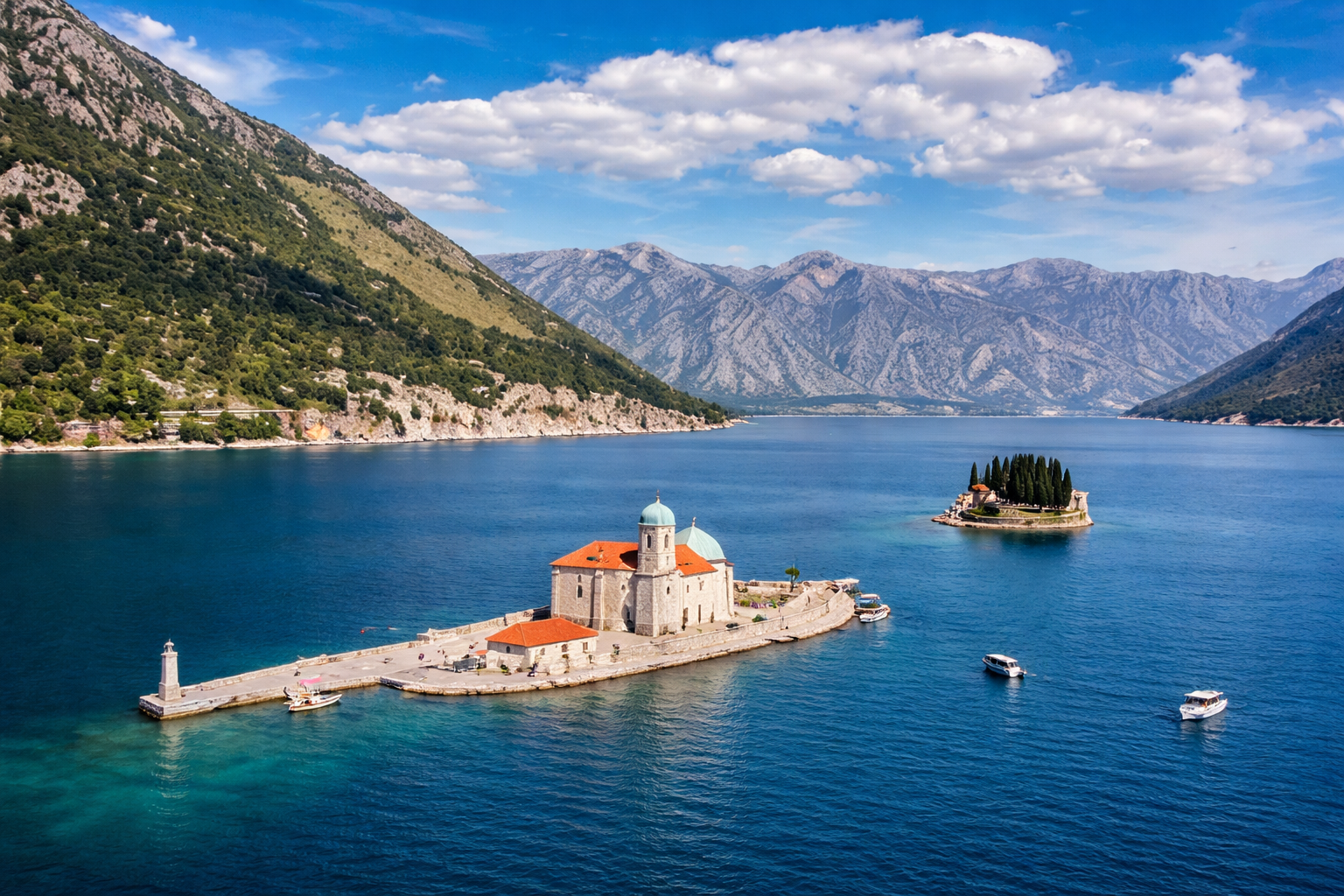
Kotora Melnkalne, more widely recognized as Kotor Montenegro, is one of the Adriatic region’s most captivating destinations. Tucked between dramatic limestone mountains and a shimmering bay that resembles a Nordic fjord, this historic coastal town offers a remarkable blend of medieval architecture, maritime legacy, and Mediterranean charm. For travelers seeking culture, history, natural beauty, and authentic Balkan hospitality, Kotor stands as a timeless treasure.
In this in depth guide, we explore the history, attractions, culture, food, and travel tips that make Kotora Melnkalne a must visit destination. Whether you are planning your next European getaway or simply curious about Montenegro’s coastal wonders, this article will provide a complete and engaging overview.
Where Is Kotora Melnkalne Located?
Kotora Melnkalne refers to Kotor, a historic town in southwestern Montenegro along the Adriatic coast. It sits within the Bay of Kotor, often called Boka Bay. This spectacular bay is surrounded by steep mountain cliffs that create an almost surreal landscape.
Montenegro itself is a small Balkan country bordered by Croatia, Bosnia and Herzegovina, Serbia, Kosovo, and Albania. Despite its modest size, Montenegro offers diverse scenery that ranges from pristine beaches to rugged mountain ranges.
Kotor’s location makes it an ideal base for exploring nearby coastal towns such as Perast, Budva, and Herceg Novi. Its proximity to Croatia also makes it a popular stop for travelers coming from Dubrovnik.
A Rich and Layered History
The history of Kotora Melnkalne is long and complex, shaped by various empires and civilizations. Founded during the Roman period, the town later became part of the Byzantine Empire. Over centuries, it experienced rule under the Venetians, Ottomans, and Austro Hungarians.
The Venetian period left the most visible mark on Kotor’s architecture and cultural identity. From the 15th to the 18th century, Kotor flourished as a fortified coastal town within the Venetian Republic. Many of the town’s palaces, churches, and defensive walls date back to this era.
Because of its exceptional preservation and historical importance, the Old Town of Kotor is designated as a UNESCO World Heritage Site. Walking through its narrow stone streets feels like stepping into a living museum.
The Old Town: A Medieval Masterpiece
One of the most compelling reasons to visit Kotora Melnkalne is its beautifully preserved Old Town. Enclosed by imposing stone walls, this medieval labyrinth features winding alleys, charming squares, and historic buildings.
St. Tryphon’s Cathedral
At the heart of the Old Town stands the magnificent Cathedral of Saint Tryphon. Built in 1166, this Romanesque church is one of Montenegro’s most important religious monuments. Its twin towers and intricate interior artwork reflect centuries of faith and artistic devotion.
The City Walls and Fortress of San Giovanni
The defensive walls of Kotor stretch high into the surrounding mountains. Adventurous visitors often hike up to the Fortress of San Giovanni for panoramic views of the bay. The climb involves more than one thousand steps, but the breathtaking scenery makes every step worthwhile.
Charming Squares and Palaces
Kotor’s Old Town is dotted with picturesque squares such as Arms Square and Flour Square. Elegant Venetian palaces and historic clock towers add to the romantic atmosphere. Cafes and small boutiques fill the streets, offering visitors a perfect blend of history and modern leisure.
Natural Beauty of the Bay of Kotor
Kotora Melnkalne is not only about architecture and history. The surrounding natural landscape is equally mesmerizing. The Bay of Kotor is often compared to a fjord, though it is technically a submerged river canyon.
The calm, reflective waters create a peaceful setting ideal for boat tours, kayaking, and swimming. Many visitors enjoy taking a boat trip to the tiny island of Our Lady of the Rocks near Perast. The island church, built on an artificial reef, holds centuries of local legend and tradition.
Sunsets over the bay are especially magical. As the mountains cast long shadows across the water, the sky transforms into shades of gold and pink.
Culture and Traditions
The cultural identity of Kotora Melnkalne is shaped by its maritime past and Mediterranean influences. For centuries, Kotor was an important naval center. The Maritime Museum in the Old Town showcases artifacts, ship models, and historical documents that highlight this legacy.
Local festivals bring vibrant energy to the town throughout the year. The Kotor Carnival, for example, features colorful costumes, music, and parades. Summer music festivals fill historic squares with classical performances and contemporary concerts.
Family traditions remain strong in Kotor. Generations often live close to one another, preserving customs and recipes that have been passed down for centuries.
Food and Culinary Delights
No visit to Kotora Melnkalne is complete without indulging in Montenegrin cuisine. The food reflects a blend of Mediterranean, Balkan, and Italian influences.
Fresh seafood plays a central role in local dishes. Grilled fish, octopus salad, and black risotto are popular choices along the waterfront. Njeguški pršut, a dry cured ham from the nearby village of Njeguši, is a must try delicacy.
Montenegrin wines are also gaining international recognition. Vranac, a robust red wine, pairs beautifully with hearty meat dishes and local cheeses.
Dining in Kotor is more than just eating. It is a social experience that encourages slow enjoyment, conversation, and appreciation of flavors.
Best Time to Visit Kotora Melnkalne
The best time to visit Kotora Melnkalne depends on your travel preferences. Summer months from June to August bring warm weather and lively festivals. However, this is also peak tourist season.
Spring and early autumn offer pleasant temperatures and fewer crowds. April, May, September, and October are ideal for sightseeing and hiking.
Winter is quieter and cooler, but the peaceful atmosphere can be appealing for those seeking solitude and authentic local life.
Outdoor Adventures and Activities
Beyond sightseeing, Kotora Melnkalne offers numerous outdoor activities.
Hiking trails around Mount Lovćen provide stunning vistas of the coastline. Adventure seekers can explore nearby national parks, including Lovćen National Park and Durmitor National Park.
Water sports such as paddleboarding and sailing are popular in the bay. Scuba diving enthusiasts can explore underwater caves and shipwrecks.
Cycling along coastal roads offers a scenic and refreshing way to discover neighboring villages.
Why Kotora Melnkalne Is Gaining Popularity
In recent years, Kotora Melnkalne has gained international attention as a rising travel destination. Its blend of affordability, beauty, and cultural richness attracts visitors from across Europe and beyond.
Unlike some heavily commercialized coastal towns, Kotor maintains an authentic charm. The balance between tourism and tradition gives it a unique appeal.
Cruise ships often dock in the bay, introducing thousands of visitors to its historic streets. Yet despite growing popularity, Kotor retains its intimate atmosphere.
Sustainable Tourism and Preservation
As tourism grows, preserving the cultural and environmental integrity of Kotora Melnkalne becomes increasingly important. Local authorities and organizations are working to maintain historical structures and protect the bay’s ecosystem.
Travelers can contribute by respecting local customs, minimizing waste, and supporting local businesses. Choosing locally owned accommodations and restaurants helps sustain the community.
Sustainable travel ensures that future generations can continue to enjoy Kotor’s timeless beauty.
Practical Travel Tips
If you are planning a visit to Kotora Melnkalne, here are some helpful tips:
-
Wear comfortable shoes for exploring the Old Town’s cobblestone streets.
-
Bring water if you plan to hike the fortress walls.
-
Learn a few basic Montenegrin phrases. Locals appreciate the effort.
-
Arrive early in the day if visiting during cruise season to avoid crowds.
-
Consider staying overnight rather than visiting as a day trip to fully experience the town’s atmosphere after sunset.
Final Thoughts
Kotora Melnkalne represents the heart and soul of Montenegro’s Adriatic coast. Its dramatic setting, medieval architecture, rich history, and welcoming culture create an unforgettable travel experience.
Whether you are drawn by the romance of ancient stone walls, the serenity of the bay, or the flavors of Mediterranean cuisine, Kotor offers something truly special. It is a place where history and nature coexist in perfect harmony.
As more travelers discover this Adriatic gem, Kotora Melnkalne continues to shine as one of Europe’s most enchanting destinations. If you are seeking a location that combines scenic beauty, cultural depth, and authentic charm, Kotor Montenegro deserves a place at the top of your travel list.