
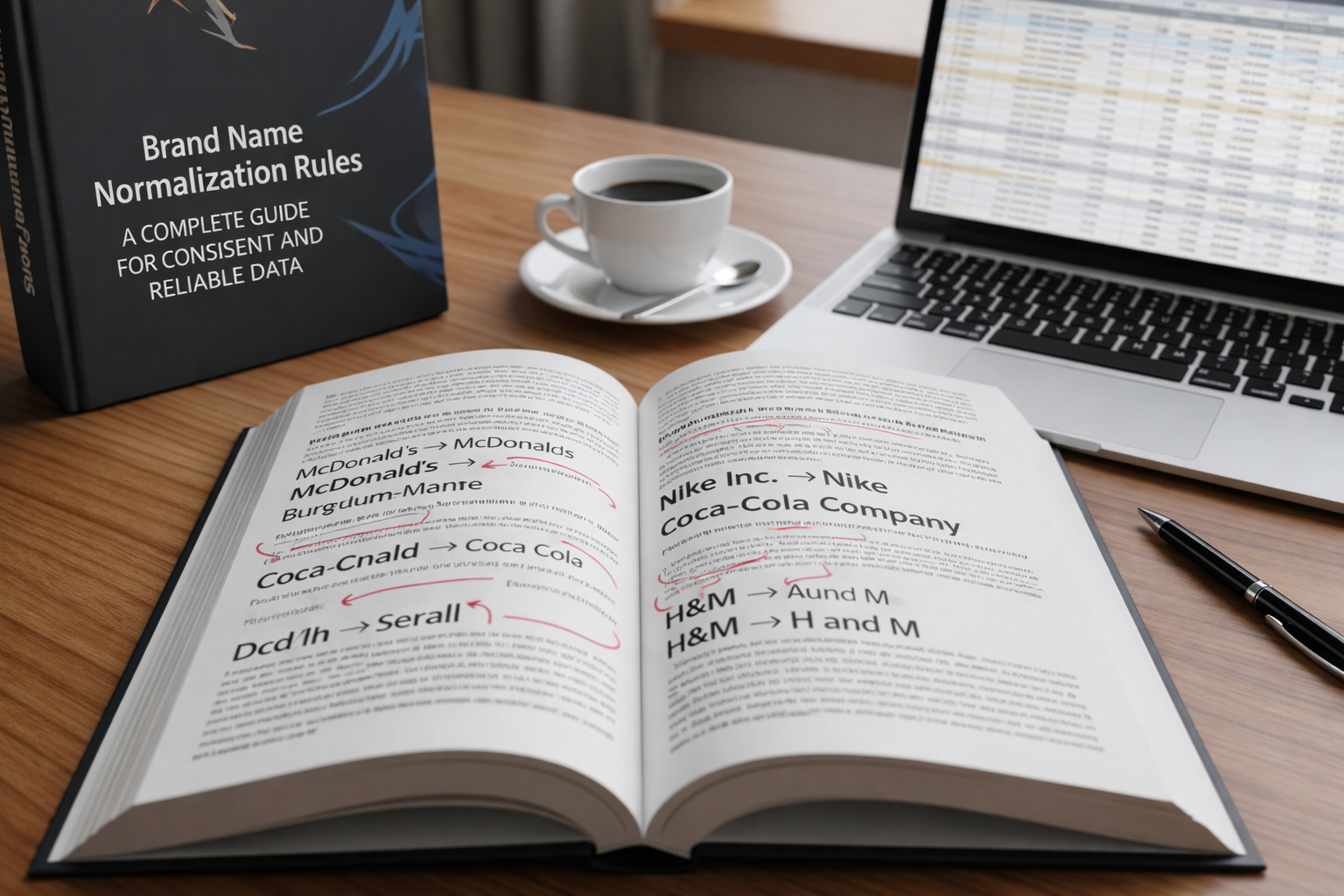
In today’s digital and global marketplace, brand names appear everywhere. They show up on websites, social media, product packaging, invoices, search engines, apps, and internal databases. Yet many businesses underestimate how easily brand names can become inconsistent. A brand might appear with different spellings, capitalizations, abbreviations, or formats across platforms. This inconsistency creates confusion, weakens brand authority, and can even damage search visibility and customer trust.
This is where brand name normalization rules come into play. Brand name normalization is the structured process of defining and enforcing consistent rules for how a brand name is written, displayed, stored, and referenced across all channels and systems. These rules help ensure clarity, accuracy, and a unified brand identity.
This guide explores what brand name normalization rules are, why they matter, how to create them, and how businesses can apply them effectively across marketing, technology, and data systems.
What Are Brand Name Normalization Rules?
Brand name normalization rules are formal guidelines that determine how a brand name should appear in every context. These rules address elements such as spelling, capitalization, punctuation, abbreviations, spacing, symbols, and language variations.
For example, a brand might officially define that its name is written as “EcoSmart Solutions” rather than “Ecosmart,” “Eco Smart,” or “ecoSMART.” Once established, normalization rules ensure that all references follow the same format consistently.
Normalization does not exist to limit creativity. Instead, it creates a stable foundation that allows branding, marketing, and data management to function smoothly. When everyone follows the same rules, communication becomes clearer and more professional.
Why Brand Name Normalization Is Important
Brand name normalization plays a critical role in both external branding and internal operations. Without it, even strong brands can suffer from fragmentation and confusion.
Brand Recognition and Trust
Consistency builds recognition. When customers see a brand name written the same way every time, they recognize it faster and trust it more. Inconsistent brand usage can make a company appear careless or unprofessional, especially in competitive markets.
A normalized brand name reinforces identity and helps audiences remember and differentiate the brand more easily.
Search Engine Optimization Benefits
Search engines rely on consistency to understand entities. If a brand name appears in multiple variations across the web, search engines may treat them as separate entities. This can dilute search rankings and reduce visibility.
Brand name normalization supports semantic SEO by ensuring that search engines consistently associate content, backlinks, and mentions with the same brand entity. This strengthens brand authority and improves discoverability.
Data Accuracy and System Integration
In databases, customer relationship management systems, analytics platforms, and inventory tools, inconsistent brand names create data errors. Duplicate records, mismatched entries, and inaccurate reporting often result from inconsistent naming conventions.
Normalization rules allow systems to match, merge, and analyze data accurately. This is especially important for businesses operating across multiple regions or platforms.
Legal and Compliance Considerations
Brand names often carry legal significance, especially when trademarks are involved. Using incorrect or altered versions of a registered brand name may create legal risks or compliance issues.
Clear normalization rules help ensure that brand usage aligns with trademark registrations and legal requirements.
Core Elements of Brand Name Normalization Rules
Effective normalization rules address several key components. Each component contributes to a unified and reliable brand presence.
Official Brand Name Definition
The foundation of normalization is defining the official brand name exactly as it should appear. This includes:
-
Correct spelling
-
Exact capitalization
-
Approved spacing
-
Any included symbols or punctuation
For example, a rule might state that the official brand name is “BrightPath” and not “Bright Path” or “Brightpath.”
This definition becomes the authoritative reference point for all future usage.
Capitalization Standards
Capitalization inconsistencies are one of the most common branding problems. Normalization rules should clearly specify whether the brand name uses:
-
Title case
-
Camel case
-
Lowercase
-
Uppercase
For instance, a tech startup may define that its brand is always written as “cloudNova” rather than “Cloudnova” or “Cloud Nova.”
These standards should apply across headlines, body text, URLs, and internal systems unless a specific exception is documented.
Spacing and Word Separation
Some brand names consist of multiple words or compound structures. Normalization rules must define whether words are separated by spaces, joined together, or connected using other formats.
Inconsistent spacing can cause confusion and technical issues, especially in URLs, usernames, and file names.
Abbreviations and Short Forms
Many brands use abbreviations or shortened versions of their name. Normalization rules should clarify when abbreviations are allowed and when the full brand name must be used.
For example, a rule might state that the full brand name is required in legal documents and website headers, while a short form may be acceptable in social media or internal communication.
Symbols, Numbers, and Special Characters
Some brand names include symbols, numbers, or special characters. Normalization rules must define how these elements are used and whether alternatives are permitted.
This is especially important for platforms that do not support certain characters. Rules should clarify approved substitutions if needed while maintaining brand integrity.
Language and Localization Rules
Global brands often face challenges with translation and localization. Normalization rules should specify whether the brand name remains the same across languages or adapts to local spelling or pronunciation.
Clear guidance prevents inconsistent translations that could weaken brand recognition in international markets.
Brand Name Normalization in Digital Marketing
Digital marketing relies heavily on consistency. Brand name normalization directly affects performance across multiple channels.
Website Content and Metadata
Brand names appear in page titles, meta descriptions, headers, image alt text, and URLs. Normalization ensures that every instance reinforces the same brand entity.
Consistent usage improves SEO performance and creates a polished user experience.
Social Media and Advertising
On social platforms, brand names often appear in usernames, bios, captions, hashtags, and ads. Normalization rules help maintain a cohesive presence across platforms even when character limits apply.
A normalized approach also improves brand recognition in paid advertising campaigns.
Email Marketing and Automation
Email systems often pull brand names dynamically into templates and subject lines. Normalization rules ensure that automated messages always display the correct brand name format.
This attention to detail enhances credibility and professionalism in customer communication.
Brand Name Normalization in Data and Technology
Normalization plays a vital role behind the scenes in technical systems.
Databases and Records Management
Inconsistent brand names lead to duplicate entries and inaccurate reporting. Normalization rules allow systems to standardize brand names during data entry and processing.
This improves data quality and supports reliable analytics.
APIs and Integrations
When systems exchange data through APIs, consistent naming conventions prevent errors and mismatches. Normalization rules ensure that brand names remain uniform across platforms and integrations.
Machine Learning and AI Applications
AI systems rely on clean, structured data. Brand name normalization helps machine learning models correctly identify and group brand-related information.
This improves accuracy in areas such as sentiment analysis, recommendation systems, and brand monitoring tools.
How to Create Effective Brand Name Normalization Rules
Creating strong normalization rules requires collaboration, clarity, and documentation.
Audit Existing Usage
Start by reviewing how the brand name currently appears across platforms, documents, and systems. Identify variations, inconsistencies, and common errors.
This audit provides insight into where normalization is most needed.
Define the Official Standard
Choose the official version of the brand name and document it clearly. This includes spelling, capitalization, spacing, and any approved alternatives.
This standard should align with legal registrations and brand strategy.
Document Rules Clearly
Create a centralized document or brand style guide that outlines all normalization rules. Use clear language and real examples to show correct and incorrect usage.
This document should be easy to access and update.
Implement Across Systems
Apply normalization rules to content management systems, databases, templates, and automation tools. Where possible, enforce rules programmatically to reduce human error.
Train Teams and Partners
Ensure that employees, agencies, and partners understand and follow the rules. Training sessions, onboarding materials, and periodic reminders help maintain consistency.
Review and Update Regularly
Brands evolve over time. Normalization rules should be reviewed periodically to ensure they still align with business goals, technology changes, and market expansion.
Common Mistakes to Avoid
Even well intentioned normalization efforts can fail if common pitfalls are ignored.
-
Allowing too many exceptions
-
Failing to document rules clearly
-
Ignoring internal systems and focusing only on marketing
-
Not enforcing rules consistently
-
Overlooking international and multilingual considerations
Avoiding these mistakes ensures that normalization delivers long term value.
The Long Term Value of Brand Name Normalization
Brand name normalization is not a one time task. It is an ongoing process that strengthens brand identity, improves operational efficiency, and builds trust with audiences.
When brand names appear consistently and accurately, businesses communicate confidence and professionalism. Customers know what to expect. Search engines understand the brand entity clearly. Internal teams work with cleaner data and fewer errors.
In a crowded digital world, these advantages matter.
Final Thoughts
Brand name normalization rules may seem like a small detail, but they have a powerful impact. They connect branding, marketing, data, and technology under a single, consistent standard.
By defining clear rules and applying them across all touchpoints, businesses protect their brand identity and position themselves for sustainable growth. Whether you are a startup building your first brand or an established organization managing complex systems, brand name normalization is an essential foundation for clarity, consistency, and long term success.