
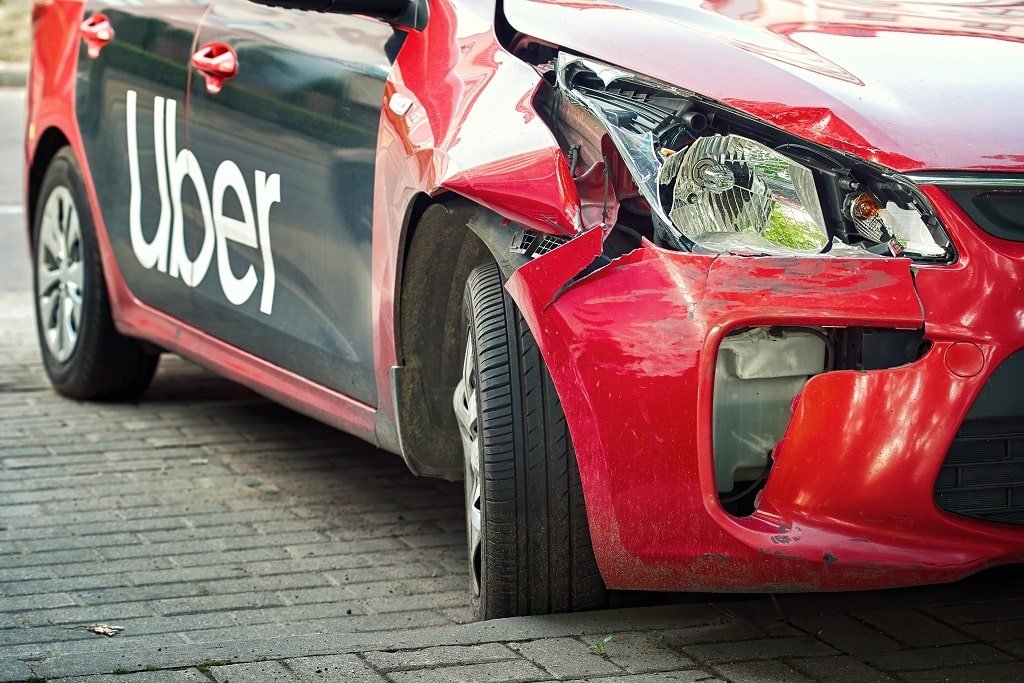
Backup driver uber accident liability Ridesharing has transformed how people move through cities. With a few taps on a smartphone, a driver appears and a trip begins. Behind this convenience lies a complex legal framework, especially when accidents happen. One of the most misunderstood areas involves backup drivers and who is legally responsible when an accident occurs during an Uber related trip.
Backup driver Uber accident liability is not a simple question with a single answer. Responsibility depends on timing, insurance status, driver classification, and the specific role the backup driver played at the moment of the crash. This article breaks down the issue clearly and thoroughly so passengers, drivers, and other motorists can understand their rights and obligations.
What Is a Backup Driver in the Uber Ecosystem
A backup driver generally refers to a person who is authorized to operate a vehicle connected to an Uber account but is not the primary registered driver for that vehicle. This can include situations where:
-
A vehicle owner registers with Uber and designates another approved driver
-
A driver temporarily substitutes for the main account holder
-
A fleet or rental program allows multiple approved drivers on one vehicle
While Uber requires background checks and approval for all drivers, the legal treatment of a backup driver can differ from that of the primary driver, especially after an accident.
Why Liability Is Complicated in Uber Accidents
Traditional car accident cases usually involve two parties and their insurance companies. Rideshare accidents add more layers. Uber classifies drivers as independent contractors rather than employees. This distinction plays a major role in determining liability.
When a backup driver is involved, the situation becomes even more complex. Questions that immediately arise include:
-
Was the backup driver actively using the Uber app
-
Was a ride accepted or in progress
-
Whose insurance policy applies
-
Can Uber itself be held responsible
Each of these questions affects who pays for damages and injuries.
How Backup Driver Status Affects Liability
Backup drivers must be officially approved by Uber to be covered under its insurance policies. If a backup driver operates the vehicle without proper authorization, Uber may deny coverage entirely.
If the backup driver is approved and logged into the app correctly, liability is generally assessed the same way as it would be for a primary driver. However, disputes can arise if Uber claims the driver was not properly logged in or was using the account improperly.
Who Can Be Held Liable in a Backup Driver Uber Accident
Several parties may share liability depending on the circumstances.
The Backup Driver
If the backup driver caused the accident through negligence such as speeding, distracted driving, or ignoring traffic laws, they can be held personally responsible. Their personal insurance may be involved if Uber coverage does not apply.
The Vehicle Owner
If the backup driver was operating a vehicle owned by someone else, the vehicle owner’s insurance could be implicated. Some states follow owner liability laws that hold vehicle owners responsible for accidents involving their cars.
Uber
Uber may be held liable if its insurance coverage applies or if it is shown that Uber failed in its duty to properly vet or supervise drivers. While Uber often argues that drivers are independent contractors, courts sometimes examine the level of control Uber exerts over drivers.
This is where Uber becomes central to the case, particularly when commercial insurance policies are triggered.
Other Drivers
If another motorist caused or contributed to the accident, they may share liability. In such cases, multiple insurance policies may come into play.
Passenger Rights in Backup Driver Accidents
Passengers injured in an Uber accident involving a backup driver often have strong legal protections. If the ride was active, Uber’s commercial insurance usually provides coverage regardless of whether the driver was primary or backup.
Passengers can typically seek compensation for:
-
Medical expenses
-
Lost income
-
Pain and suffering
-
Long term rehabilitation costs
Passengers rarely need to worry about the internal driver arrangement, as long as the ride was booked through the Uber app.
What Happens if the Backup Driver Was Not Authorized
Unauthorized backup driving is one of the most problematic scenarios. If a person not approved by Uber was driving at the time of the accident, Uber may deny all coverage. This can leave injured parties relying on personal auto insurance or pursuing legal action directly against the driver or vehicle owner.
For drivers, this situation can be financially devastating. For passengers, it may delay compensation and complicate claims.
Insurance Challenges and Claim Disputes
Insurance companies often scrutinize backup driver cases closely. Common points of dispute include:
-
Whether the app was active
-
Whether the driver was approved
-
Whether the trip was personal or commercial
-
Whether policy exclusions apply
These disputes can significantly delay settlements and may require legal intervention.
Legal Strategies After a Backup Driver Uber Accident
If you are involved in such an accident, certain steps can protect your rights.
Immediate Actions
-
Call emergency services if needed
-
Document the scene with photos and videos
-
Obtain driver and witness information
-
Confirm whether the Uber app was active
Reporting the Accident
Report the accident through the Uber app as soon as possible. This creates an official record and triggers potential insurance coverage.
Seeking Legal Advice
Because backup driver cases involve multiple layers of liability, consulting an attorney experienced in rideshare accidents is often essential. Legal counsel can identify all possible sources of compensation and handle negotiations with insurers.
How Courts View Backup Driver Liability
Courts generally focus on control, authorization, and insurance status. If Uber exercised sufficient control over the driver’s actions and the driver was authorized, courts may be more willing to apply Uber’s insurance coverage.
If the driver acted outside the platform’s rules, courts may shift responsibility to the individual driver or vehicle owner.
State Laws and Their Impact
Liability rules vary by state. Some states have specific rideshare regulations that define insurance requirements and liability thresholds. Others rely on general negligence and insurance law.
Understanding local law is crucial, as it can affect:
-
Minimum insurance limits
-
Owner liability rules
-
Passenger protection standards
The Financial Stakes Involved
Medical bills, vehicle repairs, and lost income can add up quickly. Backup driver cases can involve multiple insurance policies with high coverage limits, but accessing them requires careful legal navigation.
Failing to pursue all available options can leave injured parties undercompensated.
Preventing Backup Driver Liability Issues
Drivers and vehicle owners can reduce risk by:
-
Ensuring all drivers are officially approved
-
Keeping insurance policies up to date
-
Following Uber platform rules strictly
-
Avoiding account sharing or informal substitutions
Passengers can protect themselves by verifying driver details in the app before entering the vehicle.
The Future of Rideshare Liability
As ridesharing continues to grow, legal standards are evolving. Courts and lawmakers are increasingly scrutinizing how companies manage driver relationships and insurance responsibilities.
Backup driver scenarios are likely to receive more regulatory attention, especially as fleet and rental programs expand.
Final Thoughts
Backup driver Uber accident liability is a complex but manageable issue when understood correctly. Responsibility depends on authorization, app status, and insurance coverage at the time of the accident. While Uber provides significant insurance protections during active rides, gaps can exist when rules are not followed.
For passengers, drivers, and other road users, knowledge is the first line of protection. Understanding how liability works can make a critical difference in securing fair compensation and protecting legal rights after an accident.