
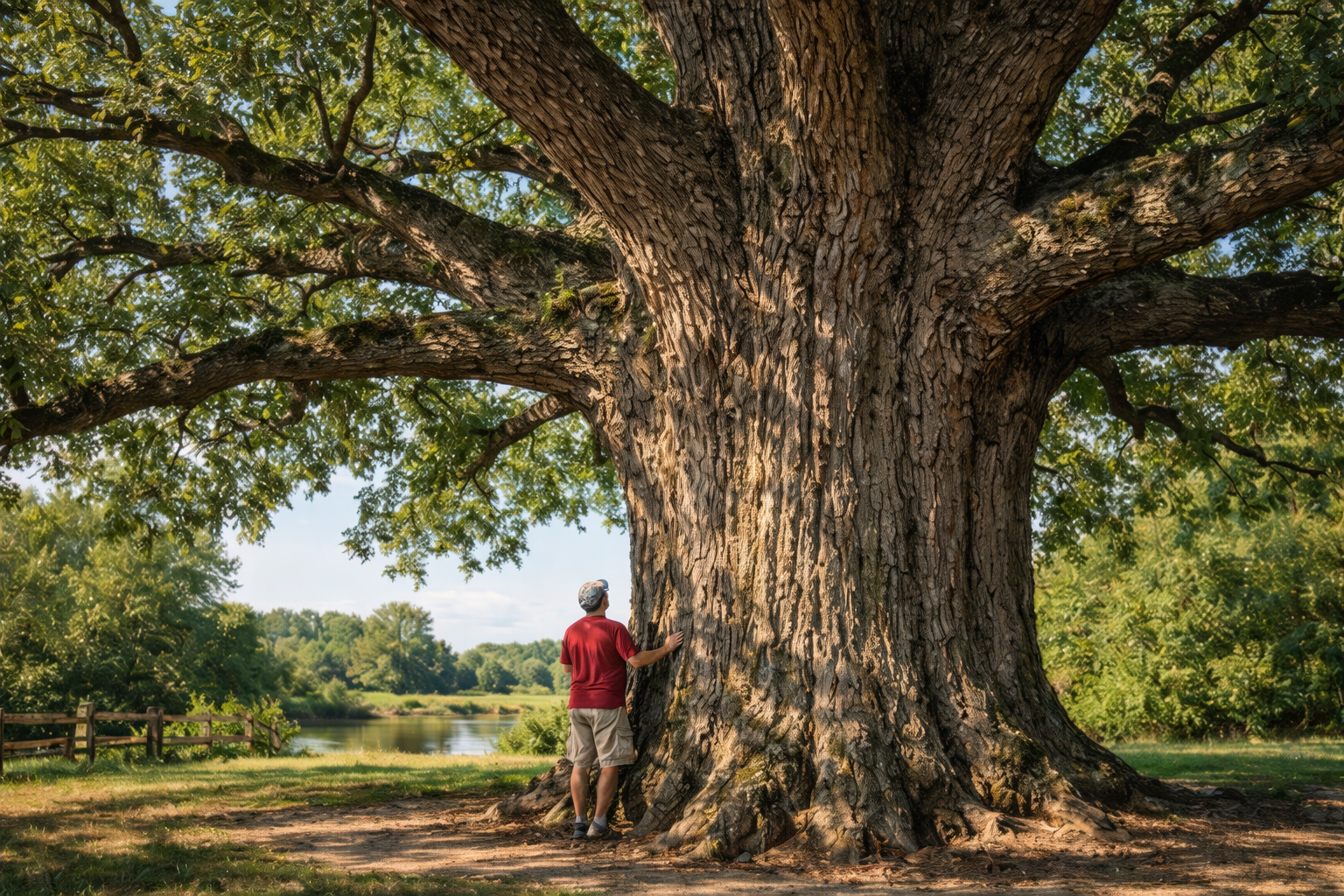
Ohio is a place of diverse landscapes, rich natural history, and a deep appreciation for the trees that shape its character. Among the many fascinating ways we can connect with nature in the Buckeye State is through the study and celebration of Champion Trees. These trees are the largest of their species in the state, remarkable not only for their size but for the stories they tell about Ohio’s ecological past and present. In this deep dive we will explore what Champion Trees are, how Ohio tracks and preserves them, where you can find the database and map resources, and why these gentle giants matter to all of us.
Whether you are a nature lover, student, hiker, or simply curious about Ohio’s living landmarks, this guide will walk you through everything you need to know about Ohio’s Champion Trees in a friendly and engaging way.
What Is a “Champion Tree”?Y
When most people think of trees, they think of beauty, shade, and character. A Champion Tree takes that idea to another level. A Champion Tree is officially recognized as the largest known individual of its species within a given geographic area based on a standardized scoring system. The broader program of identifying Champion Trees in the United States dates back to the mid‑twentieth century and is closely associated with American Forests and the National Champion Tree Program.
In Ohio, the Champion Tree Program exists at both the state and national levels. A tree that qualifies as a state Champion is the biggest documented example of its species anywhere in Ohio. If the same tree also measures larger than counterparts in other states, it earns distinction as a National Champion.
Champion status is not based on age, rarity, or cultural significance alone. Rather, it is the product of three specific measurements:
-
Circumference of the trunk recorded at a standardized height above the ground.
-
Height from base to the highest live point on the tree.
-
Average crown spread, which reflects how broadly the tree’s canopy reaches outward.
These three measurements are combined using a common formula to create a total point score. For championship purposes, the total points determine whether a tree earns a status that distinguishes it from all other trees of the same species.
Champion Trees are more than just big. They often provide important ecosystem services such as cleaning the air, storing carbon, providing wildlife habitat, and enriching the scenic beauty of parks, campuses, and even neighborhood streets. Their presence invites curiosity and connection with Ohio’s natural heritage.
Ohio’s Champion Tree Program
Ohio’s approach to mapping and tracking its Champion Trees is both comprehensive and inclusive. The program is overseen by the Ohio Department of Natural Resources (ODNR) Forestry Division, which maintains an official list of current Champion Trees within the state.
What the ODNR Database Includes
The Champion Trees database maintained by ODNR includes details about the largest known trees in Ohio for each species. Data typically include species name, measurements, location information, and sometimes additional context about the tree’s environment. Searching this database gives both professionals and the public a snapshot of Ohio’s living arboreal heritage.
Users of the database can often filter the list by species, county, or points score in order to find specific Champion Trees they are interested in. Some Champion Trees have GPS coordinates recorded, which makes it possible to integrate this data with mapping platforms.
Unlike many local tree inventories, Ohio’s Champion Trees list is not limited to city parks or arboretums. Trees in public lands, roadside corridors, privately owned property, cemeteries, farms, and other spaces can qualify so long as an accurate measurement has been submitted and verified.
Mapping Ohio’s Champion Trees
A picture is worth a thousand words, and a map of Champion Trees does exactly that. Mapping brings Champion Trees to life by showing their geographical distribution, giving users insight into where these remarkable specimens are located across the state.
What the Ohio Champion Trees Map Provides
Though the ODNR site primarily focuses on listing Champion Trees in textual or interactive database form, enthusiasts and organizations sometimes supplement this information with custom maps or GIS visualization tools. These maps may allow:
-
Viewing Champion Trees by county.
-
Overlaying tree locations with roads, forests, and public areas.
-
Planning visits or educational outings.
-
Understanding patterns in tree growth and habitat distribution.
Champion Tree maps typically come from one of two places:
-
Official State Mapping Tools: State natural resource agencies sometimes offer visualization tools on their websites that allow users to explore natural features—including Champion Trees—on an interactive map.
-
Community and Volunteer Initiatives: Naturalists, tree societies, and GIS volunteers sometimes build public maps using Champion Tree data. These community maps add an engaging visual layer for hikers, students, and researchers alike.
While Ohio’s ODNR maintains the official database, some third‑party groups like Big Trees Ohio collect and share mapped data created from GPS points registered in the state database.
Whether you use the official database or a map, these tools invite you to explore Ohio’s arboreal giants in a way that helps visualize their place in the landscape.
Why Champion Trees Matter
Champion Trees embody stories of resilience, history, and ecological importance. They matter for many reasons, ranging from scientific to cultural.
Living History
Many Champion Trees have stood for centuries, outlasting generations of people, land use changes, and even urban development. Some of these giants were saplings when Ohio was first settled by European Americans. Their continued presence connects us with a living timeline of natural history.’
Ecological Importance
Large trees are ecological powerhouses. They store carbon, provide habitat for birds and mammals, improve soil stability, and support surrounding plant communities through shading and nutrient cycling. Champion Trees, by virtue of their size, play these roles at an elevated level. Their crowns offer extensive shelter, their deep roots stabilize soil, and their presence often signals healthy ecosystems.
Community and Cultural Value
Champion Trees often become beloved landmarks within communities. Whether they stand in a public park, a cemetery, a university campus, or a quiet country road, these trees inspire curiosity and pride. A Champion Tree can become the centerpiece of a local nature walk, a point of pride for schoolchildren who study natural science, or a peaceful, majestic presence for anyone who stops to appreciate it.
Measuring a Champion Tree
The measurements used to determine champion status are precise:
-
Trunk circumference is measured at a standardized height above the ground, typically 4.5 feet. This ensures consistency among all measurements across species and locations.
-
Height is measured from the ground to the highest living point of the tree using tools such as clinometers or laser rangefinders.
-
Average crown spread is determined by measuring the width of the canopy at its widest points and calculating an average distance.
These values are added together using a simple formula to create a total point score. To verify a Champion Tree, measurements must be submitted to the appropriate forestry officials for confirmation.
Citizen Science and Champion Trees
One of the most fascinating aspects of the Champion Tree Program is the role played by volunteers and citizen scientists. Many Champion Trees are discovered because a local naturalist or tree enthusiast noticed a particularly large specimen, measured it, and shared the data. Throughout Ohio and beyond, volunteer groups contribute to the discovery and documentation of Champion Trees.
This collaborative process reflects a growing trend in conservation where everyday people contribute meaningfully to scientific data collection and natural heritage preservation. From hikers in remote forests to backyard gardeners with an extraordinary oak tree in their yard, Champion Tree programs invite public participation.
Examples of Ohio Champion Trees
Ohio’s Champion Tree roster includes many spectacular specimens. While not exhaustive, here are some examples that illustrate the diversity and grandeur of these trees:
Sycamore Champions
The American Sycamore is one of the largest trees found in Ohio. One specimen in Ashland County is recognized for its immense size and high total points, making it one of the state’s most impressive big trees.
Cottonwoods
The Eastern Cottonwood is another species that boasts remarkable Champion Trees in Ohio. These trees are known for their towering height and broad crowns, often making them some of the most striking trees along riverbanks and open fields.
Local Community Trees
In parks such as Goodale Park and Schiller Park in Columbus, several champion trees stand as living landmarks within a city’s urban forest. Species such as catalpa and elm have earned recognition for their size and historical presence in these community spaces.
There are many others across the state, from old oaks along rural roadsides to iconic maples near historical sites. Each tree tells a story about its environment, its resilience over time, and its connection to the places where people live and work.
Visiting Ohio Champion Trees
If you want to see Champion Trees in person, the combination of the ODNR database and mapped resources makes it easier than ever to plan meaningful visits.
Planning Your Visit
Start with the database listing to identify Champion Trees that interest you. You can filter by species or location and gather details about their approximate whereabouts. there was Some Champion Trees are easily accessible in parks or public spaces, while others may be on or near private property. Always respect signage and property boundaries.
Guided Nature Outings
Several conservation groups and arboretums host guided walks or tree tours that include Champion Trees. These events are fantastic opportunities to learn from experts, meet fellow nature lovers, and deepen your understanding of Ohio’s tree heritage.
The Future of Ohio’s Champion Trees
Champion Trees will continue to be documented, measured, and celebrated as long as people care to preserve them. Advances in mapping and citizen science platforms make it easier for individuals to contribute to the database. Ongoing efforts aim to share Ohio’s Champion Tree information more broadly, encouraging education, recreation, and stewardship across generations.
Whether through digital maps, field visits, or educational programs, Champion Trees remain accessible symbols of the state’s natural richness. Their stories are still unfolding, and every new measurement adds a chapter to Ohio’s ecological narrative.
Final Thoughts
Ohio’s Champion Trees database and mapping resources offer a compelling window into the state’s arboreal giants. These trees are remarkable not just because of their size, but because of what they represent: resilience, history, and the deep connection between people and nature.
By exploring the database, using mapping tools, and even visiting these trees in person, you not only encounter incredible natural specimens but also join a community of people who appreciate and protect the natural world. Champion Trees are landmarks in the truest sense: they mark places, inspire stories, and encourage us all to look up and wonder.