
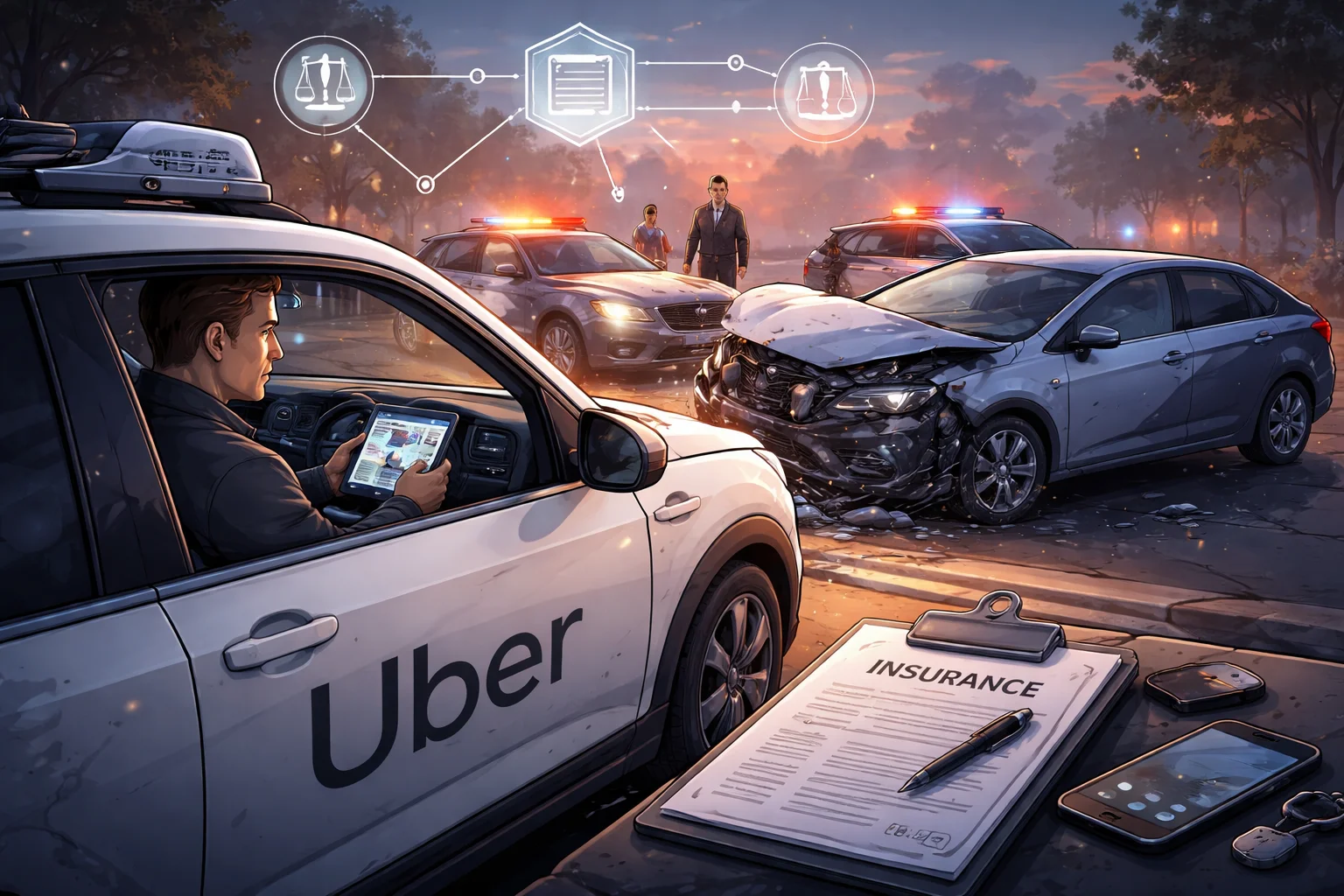
Understanding liability in autonomous vehicle accidents requires a clear look at how self driving systems operate, the legal framework governing them, and the evolving insurance models designed to manage risk. This article explores the intersection of Uber self driving technology, backup drivers, accident liability, and insurance coverage in a practical and accessible way.
The Evolution of Uber’s Self Driving Program
Uber entered the autonomous vehicle space with the goal of reducing human error and transforming transportation. The idea behind self driving rideshare vehicles was simple yet ambitious. By integrating artificial intelligence, sensors, radar systems, and machine learning algorithms, vehicles could potentially operate without constant human control.
During testing phases, Uber deployed vehicles equipped with advanced autonomous systems. However, these cars were not fully driverless. A trained backup driver, often referred to as a safety driver, remained in the driver’s seat to monitor the system and intervene when necessary.
This hybrid setup created a shared control model between technology and human oversight. When accidents occur under this structure, determining responsibility becomes legally nuanced.
What Is a Backup Driver in a Self Driving Vehicle?
A backup driver plays a critical role in semi autonomous vehicle testing. Their primary responsibilities include:
-
Monitoring the vehicle’s autonomous system
-
Remaining alert and ready to take control
-
Intervening in unexpected traffic situations
-
Ensuring passenger and pedestrian safety
Although the vehicle may be operating in self driving mode, the presence of a human safety driver introduces an additional layer of legal accountability.
If an Uber self driving backup driver causes an accident, investigators must determine whether the crash resulted from:
-
Human negligence
-
Software malfunction
-
Sensor failure
-
Poor environmental detection
-
Inadequate system design
Each possibility leads to different legal and insurance implications.
How Liability Is Determined in Autonomous Vehicle Accidents
Liability in car accidents typically depends on negligence. In traditional collisions, fault is assigned based on driver behavior. However, autonomous vehicle accidents introduce new legal questions.
1. Human Driver Negligence
If evidence shows that the backup driver failed to monitor the road, was distracted, or did not intervene when required, personal negligence may be established. In such cases, liability can shift toward the human driver.
For example, if a safety driver was looking at a phone instead of supervising the vehicle’s operation, insurance claims may focus on that individual’s actions.
2. Corporate Liability
If the accident resulted from inadequate training, insufficient supervision, or flawed operational policies, Uber as a company could face liability. Employers are often responsible for the actions of employees during work related activities.
This concept, known as vicarious liability, may apply when a backup driver causes harm while operating within company guidelines.
3. Product Liability
When the accident stems from software failure, defective sensors, or system design flaws, manufacturers and technology developers may bear responsibility. Product liability law covers defective products that cause injury or damage.
Autonomous systems rely heavily on programming and hardware. If these components fail under normal operating conditions, liability may shift away from the human driver.
Insurance Coverage in Self Driving Vehicle Accidents
Insurance frameworks are evolving to keep pace with autonomous vehicle technology. In a scenario involving Uber self driving backup driver accident liability insurance, coverage may involve multiple policies.
Commercial Auto Insurance
Uber typically maintains commercial insurance policies covering rideshare operations. These policies often include high coverage limits to address serious injury claims and property damage.
If the accident occurs during a commercial trip or testing phase, Uber’s insurance policy may respond first.
Personal Auto Insurance
If the backup driver acted outside official duties or violated company policy, personal auto insurance may come into play. However, coverage disputes are common in these complex cases.
Product Liability Insurance
If the accident stems from technological failure, the manufacturer’s product liability insurance could become relevant. This type of coverage protects against claims arising from defective systems.
Legal Precedents and Industry Implications
Autonomous vehicle accidents have already influenced regulatory debates. When a backup driver is involved in a crash, public scrutiny increases. Courts examine:
-
The level of autonomy active at the time
-
Whether the driver had reasonable opportunity to intervene
-
The reliability of the vehicle’s detection systems
-
The adequacy of corporate safety protocols
These cases shape how future autonomous testing programs are structured.
Governments and transportation agencies continue updating guidelines for autonomous vehicle testing. Clearer standards for safety driver training, monitoring systems, and reporting procedures aim to reduce liability confusion.
The Role of Data in Determining Fault
Self driving vehicles generate massive amounts of data. This includes:
-
Camera footage
-
Sensor readings
-
Speed and braking logs
-
GPS positioning
-
Driver attention monitoring records
In accident investigations, this data becomes critical evidence. It can show whether the backup driver was attentive, whether the system issued alerts, and how the vehicle responded to obstacles.
Unlike traditional car accidents that rely heavily on witness testimony, autonomous vehicle cases often depend on digital forensic analysis.
Challenges in Assigning Responsibility
Assigning responsibility in an Uber self driving accident is rarely straightforward. Consider these complicating factors:
-
Shared control between human and machine
-
Rapid technological changes
-
Inconsistent state laws
-
Evolving definitions of autonomy levels
In some situations, liability may be shared between parties. Courts may allocate percentages of fault among the backup driver, Uber, and system developers.
The Insurance Industry’s Response to Autonomous Vehicles
Insurance companies are actively adapting to autonomous driving technology. Traditional models focus on driver risk. However, autonomous systems shift risk toward manufacturers and software developers.
Some experts predict that as vehicles become more autonomous, product liability coverage will grow in importance. Personal auto insurance premiums may eventually decrease if human error declines significantly.
For now, hybrid models dominate. When a backup driver causes an accident, insurers examine whether the crash was preventable through human intervention.
Regulatory Oversight and Policy Development
Regulatory agencies are developing frameworks to address autonomous vehicle safety. Policies often require:
-
Mandatory safety driver training
-
Real time system monitoring
-
Accident reporting protocols
-
Minimum insurance coverage thresholds
These requirements aim to protect public safety while encouraging innovation.
Legal clarity will likely evolve as more cases reach courtrooms. Each incident contributes to a growing body of case law defining accountability in self driving accidents.
Public Perception and Trust
High profile autonomous vehicle accidents significantly impact public trust. When headlines mention Uber self driving backup driver causes accident liability insurance disputes, public confidence can decline.
Transparency plays a key role in rebuilding trust. Companies must demonstrate that:
-
Safety protocols are robust
-
Backup drivers receive proper training
-
Insurance coverage adequately protects victims
-
Technology undergoes rigorous testing
Public confidence influences regulatory approval and market adoption of autonomous vehicles.
The Future of Liability in Autonomous Transportation
As technology progresses toward higher levels of automation, the role of backup drivers may diminish. Fully autonomous vehicles could eventually eliminate the need for human safety operators.
In such a future, liability may shift primarily toward manufacturers and software developers. Insurance products will likely adapt to reflect this transformation.
However, during the transition phase, shared responsibility remains the norm. Human oversight combined with automated systems creates layered accountability.
Practical Advice for Those Involved in Autonomous Vehicle Accidents
If you are involved in an accident involving a self driving vehicle with a backup driver, consider these steps:
-
Seek medical attention immediately
-
Document the scene with photos and witness information
-
Request official accident reports
-
Consult a legal professional familiar with autonomous vehicle law
-
Avoid signing settlement agreements without proper guidance
Understanding your rights is essential, especially when multiple parties may share liability.
Conclusion
The question of Uber self driving backup driver causes accident liability insurance highlights the complexity of modern transportation law. Autonomous vehicle technology promises safer roads, yet it also challenges traditional legal frameworks.
Determining fault requires careful analysis of human behavior, corporate policies, and technological performance. Insurance coverage often involves multiple layers, including commercial auto policies, personal insurance, and product liability protection.
As innovation continues, lawmakers, insurers, and courts will refine standards for accountability. In the meantime, understanding how liability works in self driving vehicle accidents empowers individuals to navigate these emerging legal landscapes with clarity and confidence.
The future of transportation is undeniably autonomous. However, responsibility remains a deeply human concern. Balancing innovation with accountability will shape the next chapter of mobility and road safety.